Pushkar Travel Guide: Discover the Sacred Town Beyond the Fair
Pushkar is small enough to walk in a morning and deep enough to hold you for a week. A guide to the sacred lake town — on its own terms.
In this guide (18 sections)
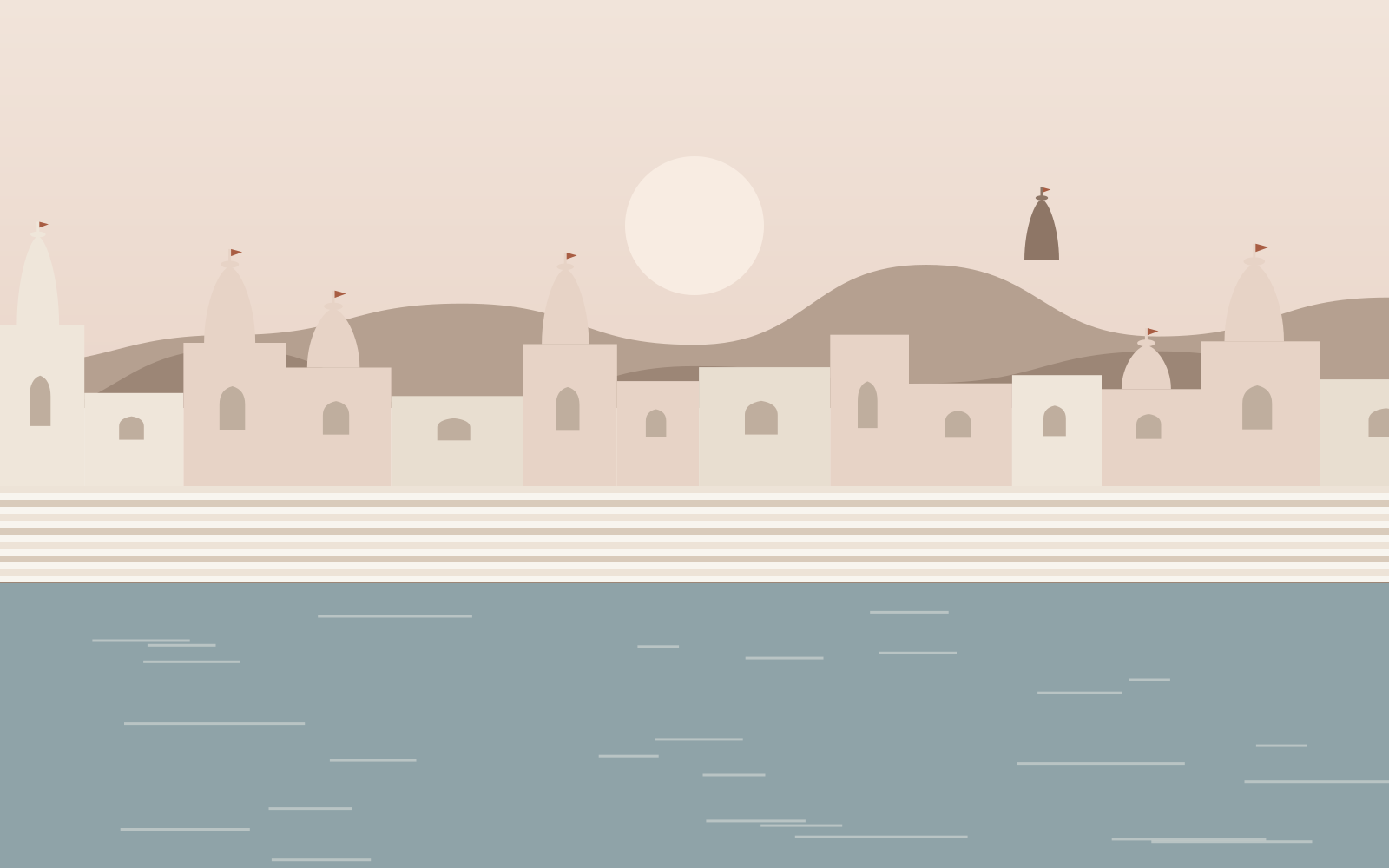
Arrive in Pushkar at dawn and you'll hear it before you see it: bells, conch shells, chanting and the slap of water on stone. The lake lies in a bowl of low hills, edged by ghats and whitewashed temples. Pilgrims bathe; pigeons wheel; the first chai is poured. By mid-morning the bazaar has woken up in a blur of textiles and incense.
Pushkar is one of the holiest towns in Hinduism. It is also, for many travellers, the place where a Rajasthan journey slows down. This guide is about experiencing both sides respectfully.
Pushkar is a sacred lake town near Ajmer, known for its ghats, the Brahma Temple and the annual Pushkar fair in Kartik (October–November). Spend one to two days. It is a vegetarian town; dress modestly and remove footwear on the ghats.
Introduction
Hindu tradition links Pushkar's lake to Brahma, the creator. Legend tells of a lotus falling to earth here, forming the lake. Whatever one's beliefs, the town's identity is shaped by pilgrimage: the lake is the focus, temples line its edges, and daily life is organised around ritual.
Pushkar's culture
Pushkar is a pilgrimage town, a market town, and since the 1970s a long-stay destination for international travellers. That mix shows in its streets: priests and pilgrims, camel traders and textile sellers, rooftop cafes with menus that range from thalis to falafel. The town has kept its religious core through strict customs — no meat, no eggs, and a respectful atmosphere around the lake.
The lake
Pushkar Lake is considered sacred; bathing here, especially during Kartik, is believed to bring great merit. It is ringed by ghats — stepped approaches to the water — each with its own name and associations, such as Varaha Ghat, Brahma Ghat and Gau Ghat.
Remove your footwear before stepping onto the ghats. Don't photograph people bathing, and ask before photographing anyone. Keep voices low and avoid public displays of affection near the lake.
Temples
Brahma Temple
The town's most famous temple, and one of very few in India dedicated to Brahma. Its red spire is visible above the rooftops. Expect queues during festivals; bags and cameras may need to be left outside.
Savitri Temple
On the Ratnagiri hill south of town, dedicated to Savitri, Brahma's consort. The climb takes effort but rewards you with views over the lake, town and surrounding desert, especially at sunset. A ropeway has also operated here — check whether it is running.
Other temples
Pushkar has many smaller temples — including Rangji and Varaha temples — each with distinct architecture. Wander and look up.
Streets
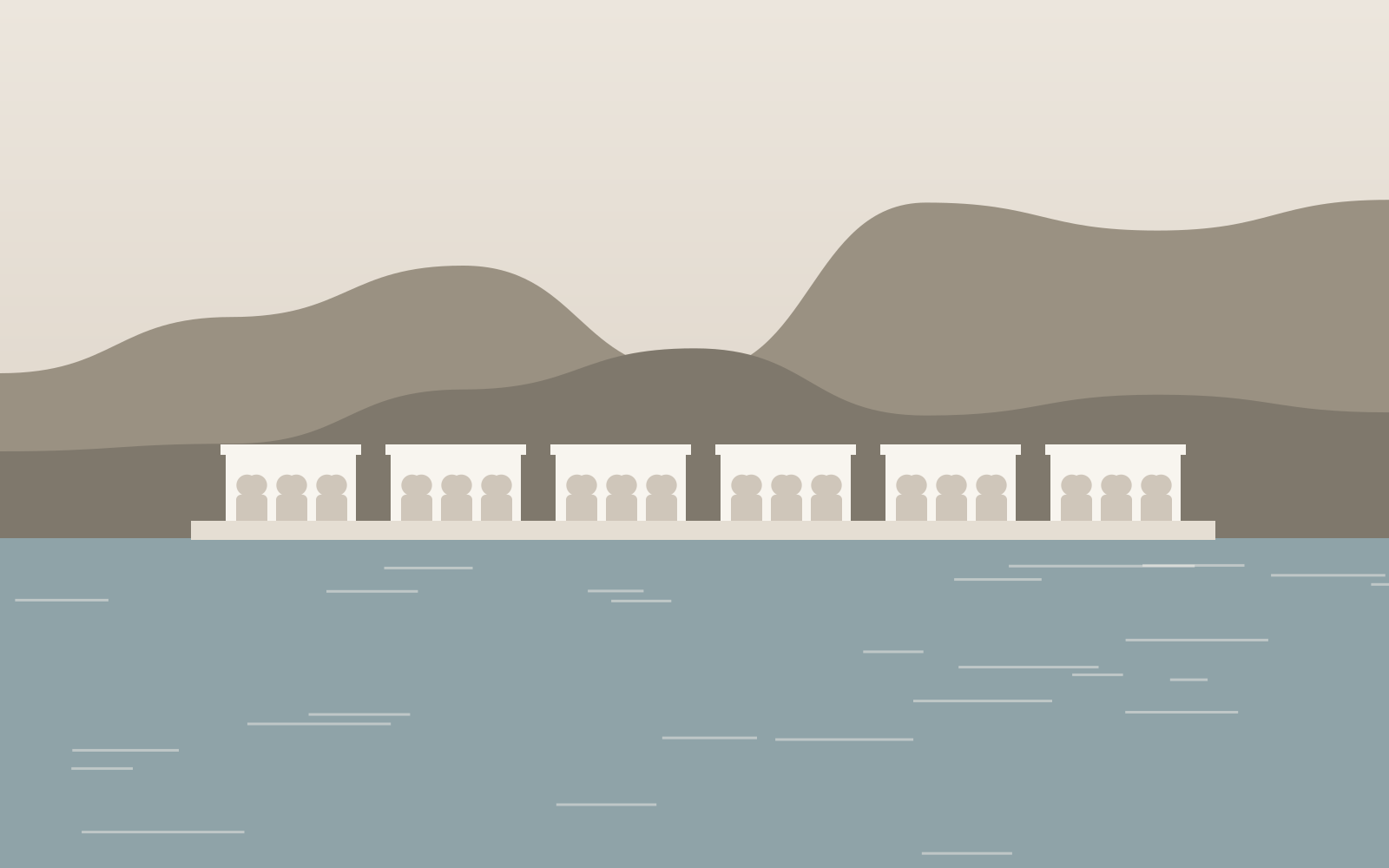
The main bazaar runs parallel to the lake, a narrow lane of shops, temples, chai stalls and cafes. Small lanes lead down to the ghats. Walk early, when shutters are only half up, for the most atmospheric experience.
Food
Everything in Pushkar is vegetarian.
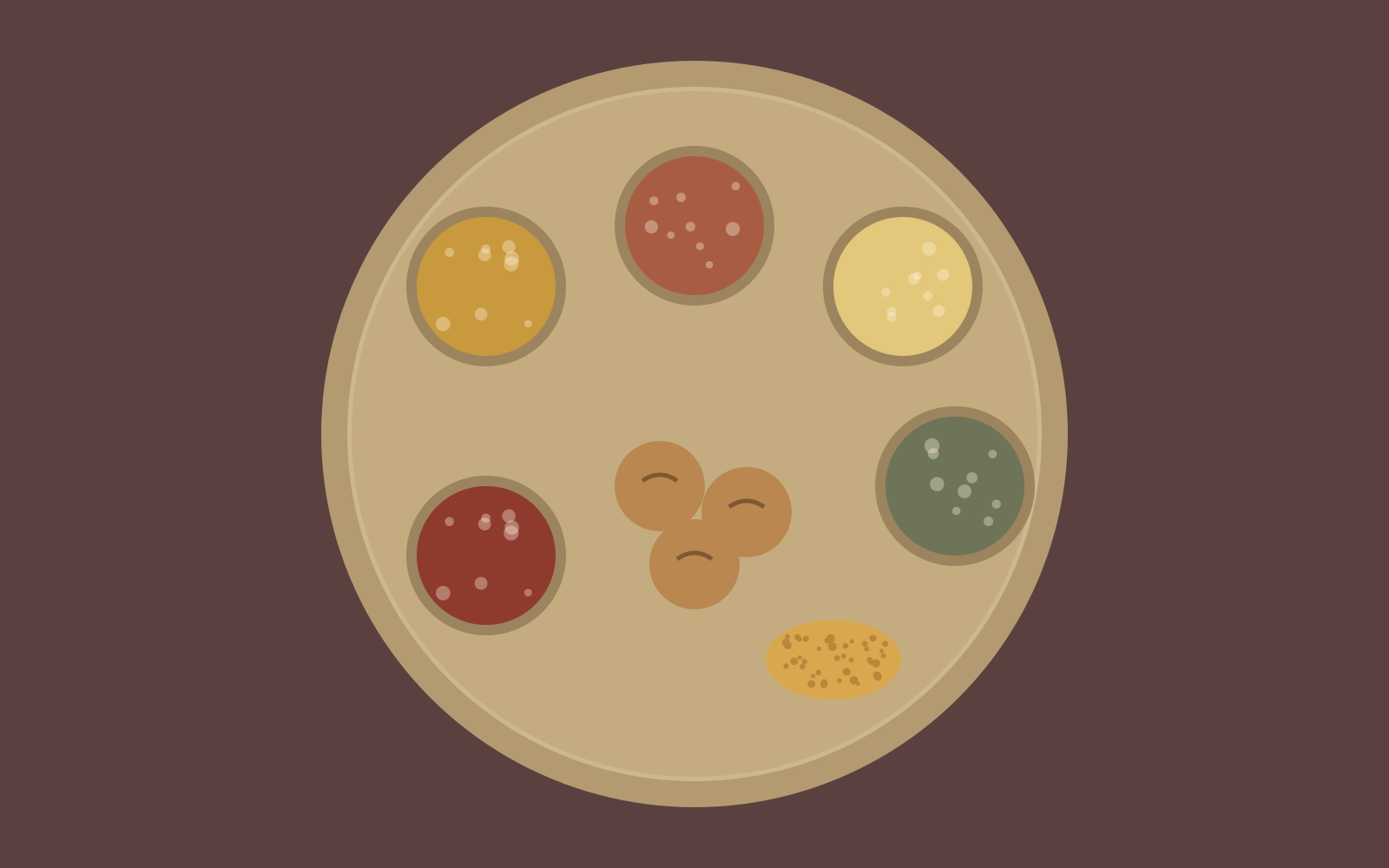
- Malpua — sweet fried pancakes soaked in syrup, a Pushkar speciality.
- Thalis — simple vegetarian plates in local restaurants.
- Lassi — try it thick and cold.
- Kachori and samosa — breakfast and snack staples.
- International fare — long-stay travellers brought falafel, pancakes and more; many cafes serve them.
Read our Rajasthani Food Guide for the dishes to look for.
Cafes
Rooftop cafes are part of Pushkar's culture — places to sit for hours over chai, look across the lake and watch the light change. Choose rooftops on the western side of the lake for sunset views. Many are informal; check hygiene and freshness, and keep orders simple.
Shopping
- Textiles — clothing, scarves and fabrics, from block prints to tie-dye.
- Silver jewellery — browse widely and compare quality.
- Leather-bound journals and bags.
- Rose products — the farms around Pushkar grow roses for gulkand (rose petal preserve) and rose water.
- Music and ritual items — bells, small instruments and incense.
See What to Buy in Rajasthan for buying tips.
Spiritual experiences
- Sunrise and sunset on the ghats — the most moving times to sit by the lake.
- Evening aarti — lamps, chanting and bells at dusk.
- Meditation and yoga — many centres and teachers; choose carefully and read recent reviews.
- A temple walk through the town's smaller shrines.
You may be offered flowers and a blessing (a "Pushkar puja") on the ghats, followed by a request for a large donation. If you didn't seek it out, politely decline. If you'd like to make an offering, do so through a temple or a priest recommended by your hotel.
The Pushkar fair
Held around the full moon of the month of Kartik (usually October or November), the Pushkar fair combines a large livestock fair — camels, horses and cattle — with religious bathing in the lake. It brings competitions, music, stalls and enormous crowds. If you're visiting during the fair, book accommodation well ahead and expect higher prices. Dates change yearly; check the official calendar.
Nearby experiences
- Ajmer — the Dargah of Khwaja Moinuddin Chishti, Ana Sagar lake and the Adhai Din ka Jhonpra. Close enough for a half-day.
- Rose farms — some can be visited around harvest time.
- Desert edge — sand and village landscapes begin just outside town.
- Kishangarh — known for the Bani Thani miniature-painting tradition.
Suggested itinerary
Day 1. Sunrise on the ghats → breakfast with a lake view → Brahma Temple → main bazaar → lunch and rest → Savitri Temple for sunset → evening aarti.
Day 2 (optional). Morning at a quieter ghat → yoga or a temple walk → half-day trip to Ajmer → malpua and a slow last evening.
Travel planning
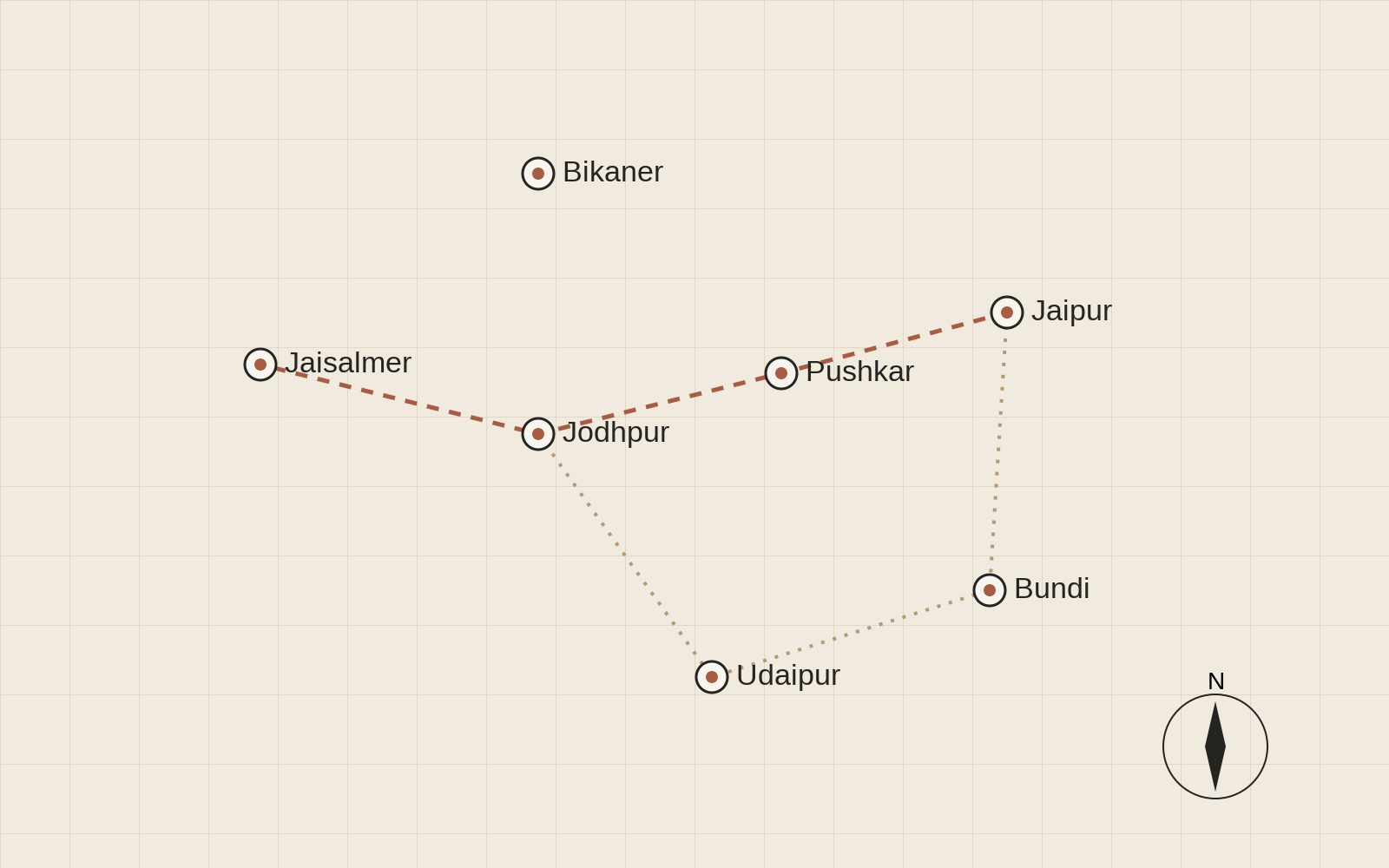
- Getting there: Ajmer Junction is the main railway station nearby; Kishangarh has the closest airport. Road links from Jaipur are good. See Weekend Trips from Jaipur.
- Getting around: Walk. The town is compact.
- Where to stay: Guesthouses near the lake for atmosphere; quieter properties on the edges for calm.
- When to go: October to March. The fair period is busiest.
Who Pushkar suits
- Slow travellers who want to stay put for a few days and let the town's rhythm take over.
- Spiritual travellers, whether pilgrims or the simply curious.
- Solo travellers, thanks to its compact size and long tradition of welcoming visitors.
- Photographers who are prepared to work respectfully.
It suits travellers least if you want nightlife, meat dishes or a packed sightseeing schedule.
Pushkar through the year
| Season | What to expect |
|---|---|
| October – November | The fair period in Kartik: spectacular, crowded, expensive |
| December – February | Cool mornings, clear days; a lovely time for the ghats |
| March – June | Increasingly hot; very quiet by May and June |
| July – September | The monsoon may fill the lake and green the hills |
Where to stay
- Lake-facing guesthouses put the ghats at your door but can be noisy with temple bells at dawn — part of the charm for many.
- Properties on the town's edges and towards the fields are calmer, with views of the hills.
- Desert camps operate around the fair; check facilities and reviews carefully.
Photography with care
Pushkar is extraordinarily photogenic, which creates pressure on the people who live and worship there. Never photograph bathing pilgrims or rituals without explicit consent; some ghats prohibit photography altogether. Use a longer lens and stay back rather than stepping close. If someone asks you to stop, stop.
Responsible tourism
- Follow local customs — vegetarian food, modest dress, shoes off at the ghats.
- Minimise plastic. Carry a refillable water bottle.
- Don't feed or ride animals carelessly, especially during the fair. Look for operators who treat animals well.
- Photograph respectfully. Ask first, and never photograph bathing pilgrims.
- Support local businesses — family-run guesthouses, cafes and craftspeople.
Explore more on the Pushkar destination page.
Frequently asked questions
Pushkar is famous for its sacred lake and ghats, the Brahma Temple — one of very few in India dedicated to Brahma — and the annual Pushkar fair held in the Hindu month of Kartik.
One full day covers the lake, ghats, Brahma Temple, bazaar and Savitri Temple. Two days lets you slow down, which is the point of Pushkar.
Yes. Meat and eggs are not served in Pushkar, and alcohol is not part of the town's culture. Respect these customs as a visitor.
The Pushkar fair is held around the full moon of the Hindu month of Kartik, which usually falls in October or November. Exact dates change each year, so check the official Rajasthan Tourism calendar.
Unsolicited offers of flowers or a blessing on the ghats can end in a request for a large donation. Politely decline offers you didn't seek, and if you want to perform a ritual, arrange it through your hotel or a temple you trust.