Mehrangarh Fort
Founded by Rao Jodha in 1459 on a rocky outcrop high above the city.
FortMuseum
जोधपुर
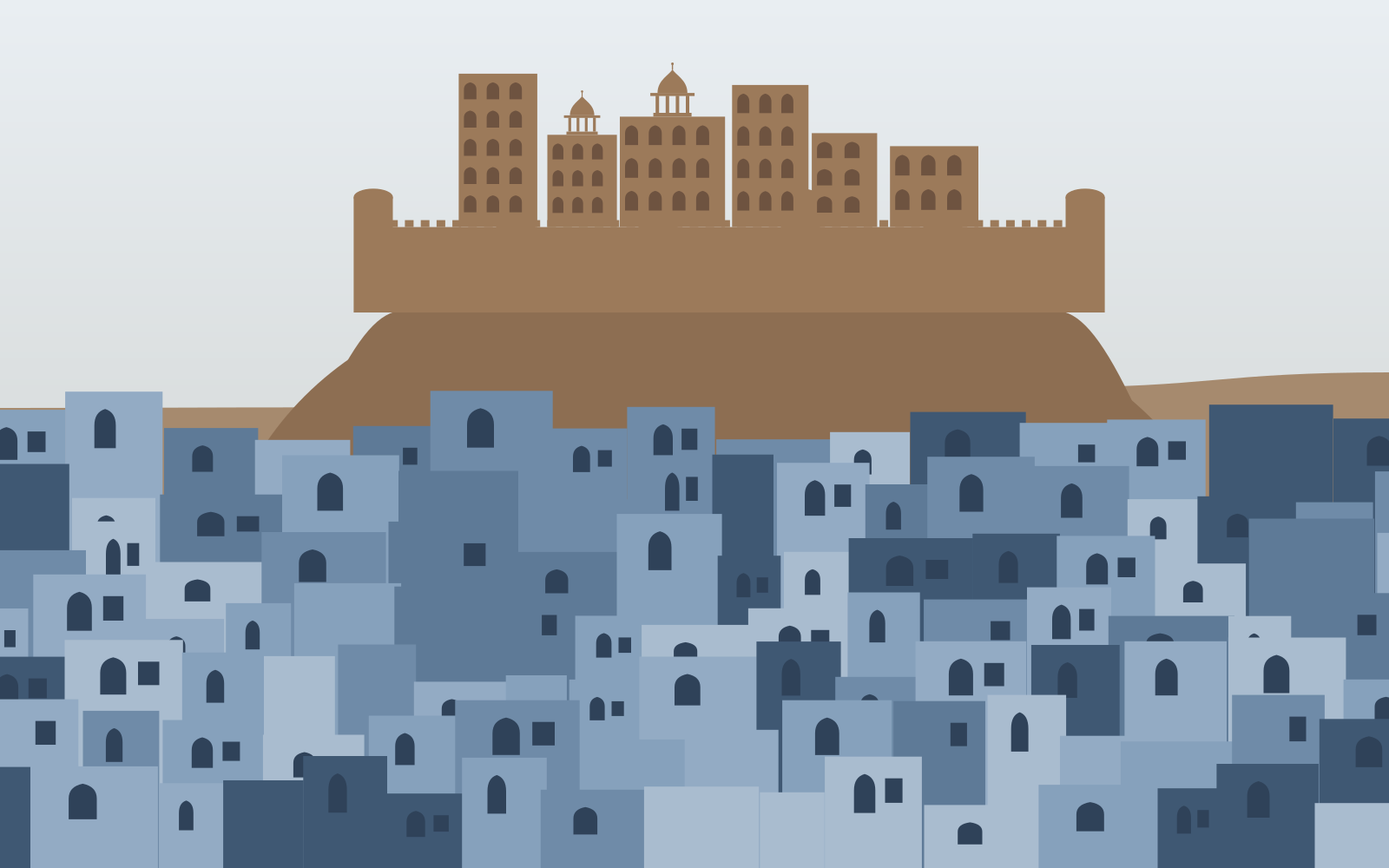
From the ramparts of Mehrangarh, Jodhpur unfolds as a cubist painting in blue. Down in the lanes the city is louder and warmer: spice sellers at the Clock Tower, mirchi badas frying at dusk, and stepwells that once kept a desert city alive.
Blue lanes below one of India's most commanding forts.
The fort's museum galleries — palanquins, arms, paintings and textiles — are among the best curated in India.
The old residential quarters below the fort are best explored on foot, slowly and respectfully.
Sardar Market around the Ghanta Ghar is a sensory education in spices, textiles and everyday Marwari life.
A restored stepwell in the old city, now a gathering place framed by cafes.
Jodhpur's snacks are a cuisine of their own — fiery, sweet and rich.
Bishnoi villages, Osian's temples and the Rao Jodha Desert Rock Park show a different side of Marwar.
Founded by Rao Jodha in 1459 on a rocky outcrop high above the city.
A white marble cenotaph near the fort, calm and luminous in the afternoon.
The commercial heart of the old city.
An eighteenth-century stepwell restored to its sandstone geometry.
An Art Deco palace completed in the 1940s; part hotel, part residence, part museum.
The former Marwar capital, with cenotaphs and temples set in gardens.
Jodhpur's cafe scene sits close to its heritage — rooftops facing Mehrangarh and courtyards around the stepwell.
We list individual cafes and restaurants only after verifying them. No paid rankings.
Explore cafes| Sardar Market | Spices, textiles, everyday goods |
|---|---|
| Bandhani shops | Tie-dye in the old city |
| Furniture and antiques district | Reproduction and vintage furniture (inspect carefully) |
| Leather & mojari | Handmade footwear |
Rao Jodha of the Rathore clan founded Jodhpur in 1459 as the new capital of Marwar. Mehrangarh grew over centuries into a fort-palace; the Rathore court's patronage shaped painting, textiles and music in the region.
Early medieval temples on the desert edge
Communities known for protecting wildlife and trees
Dhurrie weaving
Former capital and cenotaphs
A starting point. Check opening days and timings locally.
From Mehrangarh's ramparts, Jodhpur looks like a cubist painting in blue. Down in its lanes it is louder, warmer and hungrier. Here's how to experience both.
Hill forts that followed the contours of the Aravallis, palace cities on lakes, merchant havelis in the desert. How to read Rajasthan's great buildings — and visit them well.
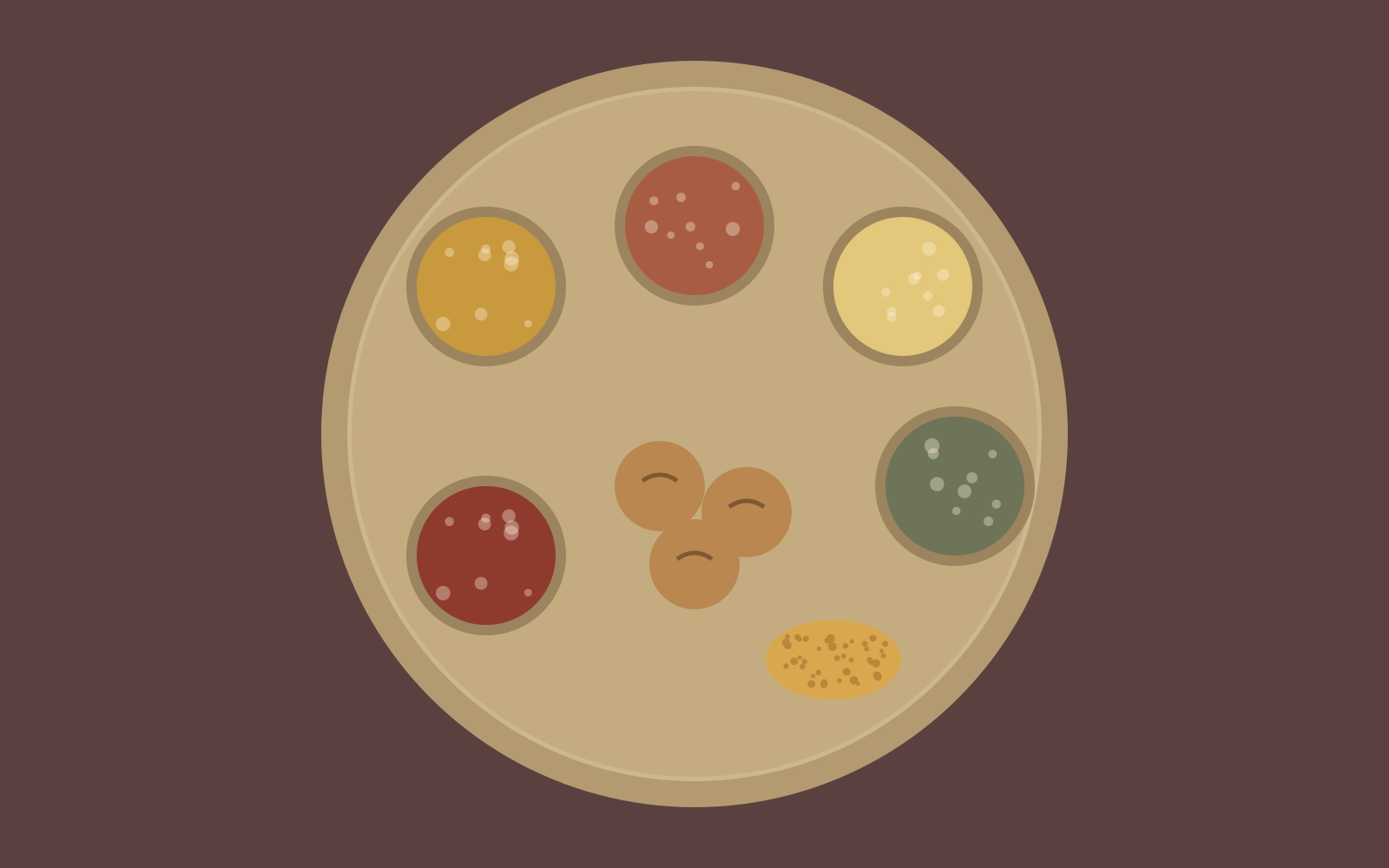
Desert scarcity, royal kitchens, merchant households and pilgrim towns all shaped what Rajasthan eats. A guide to the dishes — and the logic behind them.
| Getting there | Jodhpur Airport and Jodhpur Junction railway station. |
|---|---|
| Getting around | Walk in the old city; autorickshaws elsewhere. |
| Best time | October to March. Summers are extremely hot. |
| Festival | The Rajasthan International Folk Festival (RIFF) is held at Mehrangarh around October — check current dates. |
Last reviewed 23 November 2026. Information changes; please confirm timings and access locally.
Clear answers to the questions travellers ask most.
Many old-city houses are painted blue. Explanations include links to Brahmin households, keeping homes cool and deterring insects — traditions and theories rather than settled history.
Mehrangarh Fort, the blue old city, the Clock Tower market, Umaid Bhawan Palace, stepwells such as Toorji ka Jhalra, and food like mirchi bada and mawa kachori.
Two days: one for Mehrangarh, Jaswant Thada and the old city, and one for stepwells, Umaid Bhawan and a countryside excursion.
Osian's temples, Mandore Gardens, Bishnoi villages, the Rao Jodha Desert Rock Park and Salawas for dhurrie weaving.
Free tools that run in your browser — no sign-up, no tracking. Build an itinerary, estimate a budget and pack for the season.
Discover places, experiences, stories, food and culture worth exploring across Rajasthan.
Occasional letters, no spam. See our privacy policy.